Willesden Green garden rubbish clearance before and after Brent
Posted on 27/08/2026
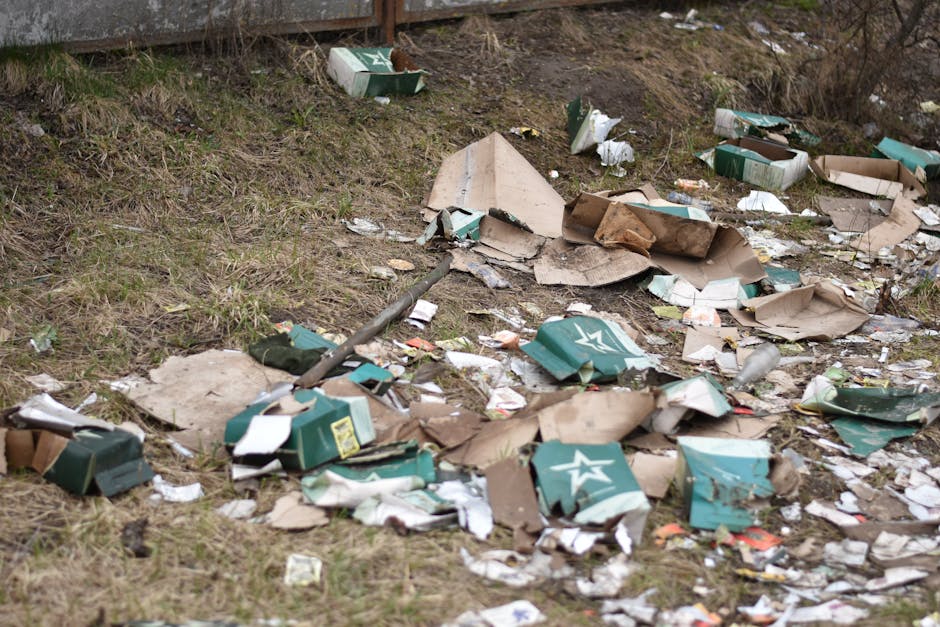
If your garden in Willesden Green has become one of those places where "I'll deal with it at the weekend" quietly turns into a month of tangled branches, old pots, broken fencing and bags of green waste, you're in the right place. This guide to Willesden Green garden rubbish clearance before and after Brent walks you through what the process really looks like, what changes you can expect, and how to get a tidy, usable outdoor space without making it a bigger job than it needs to be.
Whether you're preparing a property for sale, clearing up after landscaping, or simply reclaiming a small London garden that has got away from you, the before-and-after difference can be surprisingly dramatic. And yes, the little details matter: access, sorting, timing, recycling, and whether the job is a quick sweep-through or a more involved clearance. Let's make it simple, practical, and properly useful.
Why Willesden Green garden rubbish clearance before and after Brent Matters
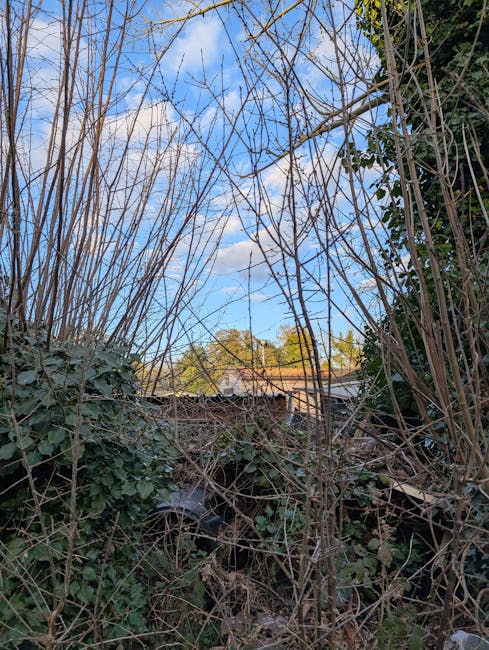
Garden clearance is not just about making things look nicer for a photo. In a place like Willesden Green, outdoor space is often limited, overlooked from neighbouring homes, or tucked behind narrow side access. That means rubbish builds up fast and then seems to stay there even longer. A pile of cuttings, soil, old timber, plastic plant trays, and general odds-and-ends can make a garden feel smaller, darker, and frankly a bit sad.
The "before" state usually tells the whole story. You might see a lawn buried under clippings, a patio that has become more storage than seating area, or a shed corner full of items that were meant to be temporary. The "after" state is not just visually better; it changes how the space functions. Suddenly there is room to sit out, plant, play, or even show a buyer that the garden has actual potential. If you are also thinking about the wider property picture, a useful read is navigating property deals in Brent, because outdoor presentation can influence first impressions more than people admit.
There is also a practical side. Wet garden waste starts to smell. Broken timber can attract pests. Sharp debris can make the space awkward or unsafe for children and pets. And in London weather, one damp week is often enough to turn a manageable pile into a soggy mess. To be fair, no one enjoys dragging half-rotted hedge cuttings through a narrow hallway at 7pm.
A proper clearance before and after Brent-style means looking at the full picture: what stays, what goes, what can be recycled, and what needs a separate disposal route. That mindset matters if you want a garden that stays tidy, not one that looks good for two days and then slips back.
How Willesden Green garden rubbish clearance before and after Brent Works
The process is usually straightforward, but it works best when you treat it as a sequence rather than a single lift-and-shift job. First comes assessment. Then sorting. Then loading, removal, and final tidy-up. Sounds simple. In practice, the access route and waste mix often decide how smooth it feels.
Garden rubbish can include green waste like branches, leaves, hedge trimmings and weeds, but it often also includes bulky and non-green items: broken chairs, fencing, old plant pots, rubble from landscaping, rolls of turf, bagged soil, and even the odd bit of furniture that has migrated outside over the years. If you are dealing with a mix of outdoor and indoor items, a broader services overview can help you see where garden clearance sits alongside other waste-removal needs.
Before the clearance, the key job is preparation. You decide what is waste, what is reusable, and what might need specialist handling. After the clearance, the space should be swept through, checked for leftovers, and left ready for whatever comes next. That next step might be a spring tidy, a full redesign, or just a peaceful cup of tea on a bench without staring at a mountain of old hedge trimmings.
For many households, the real value is in how much stress gets removed along with the waste. A good clearance team understands access issues, protects walls and surfaces, and keeps a sensible eye on recycling. If you want a sense of the standards behind that, insurance and safety is worth a look before booking anything. It is one of those boring-but-important things that you only notice when it is missing.
Key Benefits and Practical Advantages
There are several reasons people choose garden rubbish clearance rather than tackling the lot themselves. Some are obvious. Others only become clear after the job is done and you wonder why you waited so long.
- Fast visual improvement: clearing bulky waste, bags, and cuttings immediately opens up the garden.
- Safer outdoor space: fewer trip hazards, hidden nails, jagged branches, or broken items near paths and doors.
- Better use of space: a cleared patio or lawn can go back to being useful, not just a holding area.
- Less stress: no need to organise multiple trips to a disposal site or figure out vehicle logistics.
- Improved property presentation: especially helpful before viewings, tenancies, or family events.
- More responsible disposal: materials can be separated for recycling where appropriate.
There is also a psychological benefit people underestimate. A cluttered garden can make the whole home feel busier, heavier, less restful. Once it is cleared, the difference is immediate. You hear birds again. You notice the light. The space breathes a bit. That sounds poetic, maybe, but it is true.
From a practical standpoint, garden clearance before and after Brent often helps people avoid making "little" garden jobs into expensive ones. If an area is blocked with waste, you cannot assess drainage, fencing, soil condition, or how much work the planting beds really need. Clearing first gives you a clean baseline. Without that, you are basically guessing.
Who This Is For and When It Makes Sense
This kind of clearance is useful for a lot of people, not just keen gardeners. In fact, some of the most common cases are everyday household situations that nobody planned for.
You may need it if:
- you have just finished pruning, landscaping, or a one-off garden project;
- you are moving in or moving out and the outside area needs a reset;
- the garden has become a storage spot for broken furniture or old planters;
- you are preparing a property for sale or rental and want it looking presentable;
- you manage a rental or shared property and need the external space cleared between occupants;
- you simply do not have the time, vehicle, or stamina to handle the waste yourself.
It also makes sense after storms or heavy wind. A typical London garden can go from tidy to chaotic very quickly when branches come down, fence panels loosen, or pots scatter everywhere. And if you have ever tried lifting a wet bag of leaves down a narrow passage, you will know why some jobs are better handled in one organised go.
If the property is being marketed, a cleaner outdoor space can support the wider presentation of the home. For readers thinking about that side of things, real estate investment tips for Brent offers a useful broader perspective on why presentation and practicality matter together.
Landlords, letting agents, homeowners, and even small businesses with courtyard spaces all have slightly different needs. The core idea is the same, though: remove the mess, protect the surfaces, and leave the space ready to use. Simple. Not always easy, but simple.
Step-by-Step Guidance
If you are planning a garden rubbish clearance in Willesden Green, this is the most sensible order to follow. It keeps the process controlled and saves a lot of back-and-forth.
- Walk the garden and separate the waste. Make clear piles for green waste, bulky items, rubble, reusable items, and anything you are not sure about.
- Check access. Note narrow paths, side gates, steps, basement-level gardens, or anything that will slow loading.
- Remove obvious keepers first. Pots, tools, lights, and anything you want to keep should come out before the main clearance starts.
- Bag smaller green waste. This keeps the job neat and stops loose debris blowing around while larger items are moved.
- Group heavy items together. Old paving, timber, or damp soil is easier to manage when placed in one sensible spot.
- Load in a logical order. Large awkward items first, then bags, then loose material. It sounds obvious, but order saves time.
- Finish with a sweep-through. Check corners, under benches, behind sheds, and along fence lines.
- Review the after-state. Decide whether you want a clean blank slate, a planting area, or a more structured garden design next.
A small but useful tip: take quick "before" photos if you are comparing the result, managing a rental, or dealing with a larger project. They help you see what changed, and they can be oddly motivating too. By the time the last bag is gone, you may realise the garden looked worse than you remembered. Happens all the time.
For mixed waste that includes household or bulky items alongside outdoor material, it can help to read about domestic waste collection in Brent and furniture removal in Brent so you know how different item types are usually handled.
Expert Tips for Better Results
Here is where a little experience goes a long way. Garden clearances are often judged by the visible result, but the quality of the result comes from the less visible decisions made before anyone starts lifting.
Tip 1: Sort by material, not just by size. Green waste, timber, metal, rubble, plastics, and general rubbish should not all be treated the same. Sorting properly improves recycling and avoids confusion on the day.
Tip 2: Keep wet waste separate if you can. Damp cuttings and soggy leaves are heavier than they look. If they sit on top of other material, the whole load gets awkward fast.
Tip 3: Be realistic about access. A clear path is not just nice to have. It can shape the whole job. If there is no side access, the team may need more time and careful carrying. That is normal, but it needs planning.
Tip 4: Don't mix keepers with waste. People often toss "maybe useful" items into the same area as rubbish. Then later, they are not sure what was meant to stay. It is a tiny mistake with irritating consequences.
Tip 5: Aim for a true finish, not just a quick emptying. A proper after-state includes sweeping, checking corners, and removing hidden fragments. The garden should feel reset, not just partially emptied.
And one more thing. If you are getting quotes, be precise about the size of the job. "A few bags" can mean five bags to one person and fifteen to another. Not ideal. The more specific you are, the more reliable the quote tends to be. If you want to understand how pricing is usually presented, pricing and quotes is a sensible place to start.
You might also want to think about sustainability. Many people want their garden waste dealt with responsibly, and that is a fair expectation. recycling and sustainability explains the broader approach to handling waste with less going to landfill where practical.
Common Mistakes to Avoid
Most clearance problems are avoidable. They usually come from rushing, assuming the job is smaller than it is, or forgetting how awkward garden waste can be once it is wet, tangled, or mixed with other materials.
- Leaving sorting until the last minute. It slows the job and increases the chance of keepers being thrown away by mistake.
- Underestimating weight. Soil, damp hedge trimmings, and rubble can be far heavier than they first appear.
- Ignoring access problems. Tight gates, steps, and shared passages all add time and care requirements.
- Using the garden as a temporary dump. If waste sits too long, it becomes harder to move and more unpleasant to handle.
- Forgetting about sharp or hazardous items. Broken glass, rusty metal, and old treated timber need careful treatment.
- Not checking what should stay. Plants, irrigation parts, and reusable tools are easy to lose in a cluttered clear-out.
It is also worth avoiding the "I can do it all in one trip" mindset if the pile is large. That idea has a way of collapsing around lunch time, usually when you realise there are three more bags, a broken planter, and one very stubborn piece of fence still left. Better to plan properly than to end up improvising.
If your garden clearance is part of a wider property tidy-up, and not just a one-off outside job, house clearance in Brent can be relevant too, especially where indoor and outdoor clutter overlap.
Tools, Resources and Recommendations
You do not need a huge toolkit to prepare for garden rubbish clearance, but a few practical items make the process easier and safer.
| Item | Why it helps | Best used for |
|---|---|---|
| Heavy-duty sacks | Contain loose green waste and small debris | Leaves, weeds, hedge cuttings |
| Gloves | Protect hands from thorns, splinters and dirt | Manual sorting and lifting |
| Pruning shears | Cut awkward branches down to size | Overgrown shrubs and light branches |
| Rake or garden fork | Helps gather loose waste efficiently | Leaves, grass cuttings, soil |
| Tarp or sheet | Keeps a collection pile together | Bulk loading and transport prep |
| Sturdy broom | Finishes the space neatly | Patios, paths, and side access routes |
For many people, though, the best "tool" is actually a clear plan. Decide what the final garden should look like. Do you want a fully cleared space, a planting-ready bed, or just enough room to move around without tripping over the old trellis? That decision shapes everything else.
If you are comparing waste handling options or thinking about a wider cleanup, services overview can help you see related waste categories in one place. And if your project produces more than just garden material, the builders waste removal Brent page may be useful where broken paving, brick, or hardcore are involved.
For general trust and background on who is handling the work, about us can be a helpful read before you book anything. Likewise, if you want to know how carriers should handle waste lawfully and responsibly, see waste carrier licence and compliance.
Law, Compliance, Standards, or Best Practice
Garden rubbish clearance is practical work, but it is not a free-for-all. In the UK, waste has to be handled carefully, especially when it leaves your property. You do not need to become a waste-law expert, thankfully, but you should know the basics.
The safest approach is to use a waste carrier that can handle waste lawfully and can explain what happens to the material after collection. That matters because householders can still carry some responsibility if waste is passed to the wrong person. A reputable service should be comfortable talking about handling, transfer, and disposal in plain English.
There is also a basic duty of care angle here. In simple terms, your waste should go to the right place, be dealt with properly, and not create problems for somebody else later. That is one reason it is sensible to ask about documentation and process rather than just hunting for the cheapest option. Cheap can become expensive in all sorts of annoying ways.
Safety is another part of best practice. Broken glass, old chemicals, sharp metal edges, and unstable stacks all need care. If the garden has unusual items, it is worth flagging them early. The right team will tell you what they can take and what needs a separate route.
For payment confidence and general service expectations, payment and security and terms and conditions are useful supporting pages. They help you understand how the service works before you commit.
Options, Methods, or Comparison Table
There are a few different ways to deal with garden rubbish in Willesden Green, and the best one depends on volume, access, time, and how mixed the waste is.
| Method | Best for | Pros | Trade-offs |
|---|---|---|---|
| DIY multiple trips | Very small amounts of waste | Control over timing, potentially lower direct cost | Time-consuming, tiring, awkward without transport |
| Skip hire | Larger projects with steady waste output | Useful for ongoing clear-outs | Space required, permit considerations, loading effort |
| Man-and-van style clearance | Mixed or bulky garden waste | Fast, flexible, less lifting for you | Needs clear access and accurate waste description |
| Full garden tidy and clearance | Overgrown or neglected gardens | Best visual finish and reset | More involved planning and sometimes more time |
In practice, man-and-van clearance is often the sweet spot for everyday household garden rubbish. It handles awkward items, helps with sorting, and gets the space cleared in one go. But if your project is ongoing, or if you are ripping out hard landscaping, another method may fit better. There is no one-size-fits-all answer here.
For people dealing with nearby commercial or shared spaces, commercial waste removal Brent can be relevant in mixed-use settings, especially where the garden area is part of a business premises or managed property.
Case Study or Real-World Example
Here is a realistic example from the sort of garden clearance many Willesden Green residents run into. A small rear garden had become a holding area for clipped branches, two cracked planters, a rolled-up bit of old carpet, several black sacks of leaves, and a rusting metal table that had clearly seen better years. Nothing dramatic. Just the usual "we'll sort it later" collection.
The before-state was typical: the patio was mostly hidden, the narrow path along the side was cluttered, and getting to the back fence meant stepping around loose debris. The owner thought it would take "an hour, maybe." It took longer than that, but that was because the space needed sorting as much as clearing. A few items were kept, several were separated for disposal, and the rest were removed in stages so the access route stayed safe.
After the clearance, the change was not just visual. The garden felt wider, easier to move through, and usable again. The patio could finally be swept clean, and the owner could see where the next small improvements should happen: fixing the fence panel, replanting one bed, and getting rid of a dead corner where waste had been collecting. That is the real benefit of a proper before-and-after job. It reveals the garden underneath the clutter.
The interesting bit? The owner later said the biggest surprise was how much cleaner the whole back room felt once the doors could open to a tidy outside space. Small homes do that. One part of the property changes and the rest seems to breathe easier too.
Practical Checklist
Use this simple checklist before arranging garden rubbish clearance in Willesden Green. It keeps the job cleaner and usually faster too.
- Walk the garden and identify everything that needs to go.
- Separate green waste from timber, rubble, metal, and general rubbish.
- Set aside anything you want to keep before the clearance starts.
- Check access gates, side passages, and parking space for loading.
- Look for sharp items, hidden glass, or unstable stacks.
- Take a few quick photos if you want a before-and-after record.
- Ask how waste will be sorted and what happens after collection.
- Confirm whether the team can handle mixed garden and household items.
- Make sure payment and terms are clear before the visit.
- Plan what you want to do with the cleared space next.
If you want to keep the garden tidy after the clearance, the best trick is not a big one. It is just a small habit: deal with cuttings and broken bits sooner rather than later. A few minutes now saves a whole afternoon later. Every time.
Get a free quote today and see how much you can save.
Conclusion
Willesden Green garden rubbish clearance before and after Brent is really about turning a cluttered outside space back into something you can use, enjoy, and maintain with less effort. The process works best when you sort sensibly, think about access early, and choose a waste solution that matches the real size of the job rather than the hoped-for size.
The before-and-after result can be practical, visual, and oddly satisfying. A cleaner garden gives you more space, less stress, and a better sense of control over the property. And in a busy part of London, that counts for a lot. Maybe more than most people first think.
So if the garden has been sitting there quietly asking for attention, this is a good moment to answer it. Start with the waste, then build the space you actually want. One clear patch at a time.