Commercial rubbish removal for Brent businesses Wembley and NW10
Posted on 10/10/2026

If you run a shop, office, cafe, workshop, landlord portfolio, or trade business in Brent, rubbish builds up faster than people expect. One busy week, a delivery mix-up, or a small refit and suddenly the back room is full, the bins are overflowing, and everyone is stepping round boxes. That is where commercial rubbish removal for Brent businesses Wembley and NW10 becomes less of a convenience and more of a proper operational fix.
In Wembley and across NW10, businesses need waste cleared quickly, responsibly, and without throwing the working day into chaos. This guide breaks down how the service works, what it suits best, what to watch out for, and how to choose a setup that keeps your premises cleaner, safer, and easier to manage. Straightforward, local, and practical. No fluff.
Why Commercial rubbish removal for Brent businesses Wembley and NW10 Matters
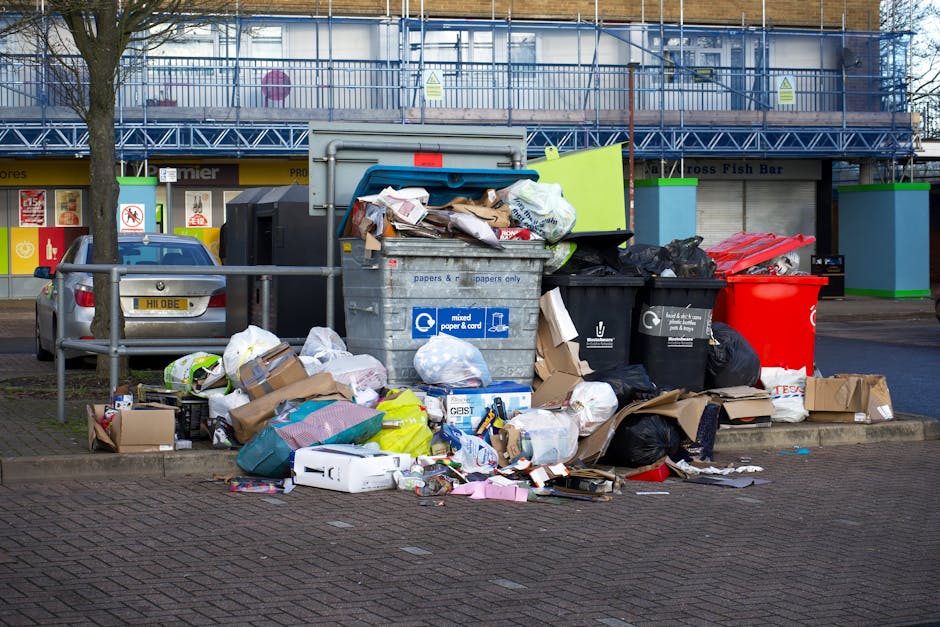
Waste is not just a back-of-house nuisance. For businesses, it affects presentation, health and safety, workflow, customer experience, and sometimes even compliance. A tidy site feels under control. A cluttered one tends to create little problems everywhere else. People trip over materials, staff waste time moving bags around, and managers end up dealing with jobs that should never have reached the "urgent" stage in the first place.
In Wembley, where retail, hospitality, offices, light industrial units, and construction-related businesses often operate close together, rubbish can mount up quickly. In NW10, space can be tight. Rear access might be awkward, loading bays may be shared, and waste collection windows are not always generous. Let's face it, the practical side matters just as much as the environmental one.
Commercial rubbish removal for Brent businesses Wembley and NW10 also matters because commercial waste is rarely just one type of waste. It can include cardboard, mixed office waste, broken furniture, packaging, fixtures, renovation debris, old stock, or redundant equipment. If you treat all of that as one simple job, you can end up paying too much, wasting time, or missing the right disposal route entirely.
Practical takeaway: The right removal service is not only about taking things away. It is about keeping your site workable, reducing disruption, and making sure waste is handled properly from the moment it leaves your premises.
How Commercial rubbish removal for Brent businesses Wembley and NW10 Works
Most commercial rubbish removal jobs follow a fairly simple process, although the exact method depends on the size of the load and the type of waste. In practice, the service is usually arranged around your business hours, your access constraints, and how quickly the waste needs to go.
Typical process
- Initial enquiry and description of waste - You explain what needs removing, roughly how much there is, and whether access is straightforward.
- Quote or estimate - A sensible provider will usually want enough detail to judge labour, loading time, vehicle size, and disposal route.
- Collection window agreed - For businesses, timing matters. Early morning, between service periods, or after closing can be ideal.
- Removal and loading - The team arrives, loads waste safely, and clears the area.
- Sorting and disposal - Recyclables, reusable items, and general waste are separated where possible.
- Confirmation of completion - Good operators give you clarity on what has been taken and how the job was handled.
For some businesses, a one-off clearance is enough. For others, regular commercial waste collection or repeat rubbish removal makes more sense, especially where stock turnover, refurbishments, or customer footfall create a constant stream of waste. A cafe on a busy strip and a small design studio in NW10 will not have the same needs, and they should not be treated like they do.
There is also a difference between simple rubbish removal and jobs that involve heavier items or specialist waste. Old office desks, shelving, white goods, and trade debris often need more planning than a few sacks of general waste. That planning is what keeps the job smooth instead of messy.
Key Benefits and Practical Advantages
The obvious benefit is getting rid of clutter. The less obvious benefit is that your business tends to run better when waste is under control. You notice it in the day-to-day rhythm. Staff are not sidestepping piles of packaging. Customers do not see the untidy corners. Managers spend less time firefighting.
- Cleaner premises: Your site looks more professional, which matters whether you welcome customers or not.
- Better space use: Clear back rooms, stock areas, and loading points can actually be used properly.
- Safer working conditions: Less clutter means fewer slip, trip, and obstruction issues.
- Less disruption: A planned removal is usually much less stressful than piecemeal disposal.
- Faster turnaround: Useful for move-outs, refits, office clearances, and pre-inspection tidy-ups.
- Better recycling outcomes: Sorting waste properly can reduce how much ends up treated as general rubbish.
There is also a quieter benefit that business owners sometimes underestimate: peace of mind. When you know the waste is being dealt with properly, you can focus on customers, staff, deadlines, and cash flow. And frankly, that is where your attention should be.
What businesses often gain in real terms
A small retailer clearing old stock might regain a whole storage corner. A landlord preparing a commercial unit for new tenants might avoid awkward delays. A warehouse office might simply stop feeling cramped and chaotic. Small wins, yes, but they stack up. They always do.
Who This Is For and When It Makes Sense
Commercial rubbish removal for Brent businesses Wembley and NW10 suits any organisation that generates waste beyond normal domestic levels or needs faster, more flexible removal than standard collection arrangements can provide. That includes businesses that produce large items, awkward waste, or time-sensitive clearances.
Typical users include
- Retail shops and convenience stores
- Cafes, takeaways, pubs, and restaurants
- Offices and coworking spaces
- Landlords and property managers
- Builders, decorators, and tradespeople
- Gyms, salons, and clinics
- Warehouses, storage units, and workshops
- Event organisers and venue operators
It makes sense when your existing bins are not enough, when bulky waste has accumulated, or when you need a one-off clear-out rather than a permanent waste contract. It also makes sense before a handover, an inspection, a lease end, or a refurbishment. Truth be told, those are the moments when rubbish becomes impossible to ignore.
One thing to remember: if you are dealing with mixed waste, especially items with metal, timber, plasterboard, packaging, and old fittings together, it is worth being specific upfront. Vague descriptions can lead to poor quotes, delays, or a truck that arrives and cannot quite take everything in one go. Nobody wants that sort of day.
Step-by-Step Guidance
If you want the process to run smoothly, a bit of preparation goes a long way. Commercial rubbish removal is easier when everyone knows what is being cleared, where it is located, and what access looks like. Here is a simple way to handle it.
1. Identify what needs removing
Walk through the space and separate waste into broad groups: general rubbish, cardboard, bulky items, broken fixtures, office waste, trade waste, and anything unusual. This does not need to be perfect, but a decent first pass saves time later.
2. Estimate the volume
Think in practical terms. Is it a few black bags, half a van load, or enough to fill a small room? If you can compare it to pallets, bins, or storage cages, even better. More detail usually means a more accurate quote.
3. Check access and timing
This matters more than people think. Can a vehicle park nearby? Is there a lift? Are there narrow stairs, shutters, or restricted loading times? If access is awkward in Wembley or NW10, say so early. That tiny bit of honesty saves a lot of hassle.
4. Separate anything sensitive or specialist
Data-bearing equipment, confidential paperwork, electrical items, and potentially hazardous waste should not be bundled in with general junk. If in doubt, flag it early and ask how it should be handled.
5. Book a slot that suits operations
For customer-facing businesses, early morning or quieter trading periods are often best. For trade and industrial premises, a slot outside delivery peaks can help. The aim is simple: less disruption, smoother flow.
6. Clear the route before the team arrives
Move obstacles where possible, unlock access, and make sure the crew can get to the waste safely. A few minutes of prep can shave a surprising amount off the overall job.
7. Confirm what has been removed
When the job is done, check that all agreed items are gone and that the site is left tidy. Good operators will usually make this straightforward. You want closure, not loose ends.
Expert Tips for Better Results
After enough commercial clearances, a few patterns become obvious. The businesses that get the best outcome are not always the biggest ones. They are usually the ones that plan a little better.
- Separate cardboard early. It is lighter, easier to sort, and often takes up more space than people expect.
- Keep mixed waste honest. If you think there is more rubbish than you first said, say so. It is better than underbooking.
- Label awkward items. Old screens, cabinets, shelving, and electricals are easier to deal with when clearly identified.
- Ask about recycling routes. A good provider should be able to explain how they deal with reusable and recyclable material in plain English.
- Use removal as a reset. Do not just clear the pile and move on. Rework the storage area so the same mess does not return in a week.
- Keep a photo record. A few quick pictures before collection can help with quoting, accountability, and planning future jobs.
Here is a small one, but useful: if a job feels like it could become three separate jobs, it often should be scheduled that way. One giant assumption is usually where delays start. Not always, but often enough.
Also, if your team keeps saying "we'll sort it later", maybe later is the problem.
Common Mistakes to Avoid
Commercial rubbish removal is simple when it is planned well. It becomes awkward when people rush the details or assume all waste is the same. These are the mistakes that show up most often.
Being too vague about the load
"There's just some stuff" is not very helpful. A pile of packaging is not the same as dismantled desks, broken shelving, or a load of renovation debris. Specificity matters.
Ignoring access problems
If a vehicle cannot get close, or if waste has to be carried down stairs, through a yard, or across a busy frontage, the job changes. Failing to mention that usually causes friction later.
Mixing everything together
General waste, recyclable cardboard, electrical items, and heavier building materials should not all be treated the same way unless your provider has specifically said they can handle them together. Mixing can increase cost and complicate disposal.
Leaving it until it becomes urgent
That back-room mountain of waste rarely clears itself. And once it starts affecting trading, the job has already become more expensive in an indirect way.
Not asking about compliance
Businesses should always be comfortable asking how waste will be handled and whether the provider works in line with standard waste duty expectations. If the answer is vague, that is a sign.
Forgetting the after-clearance plan
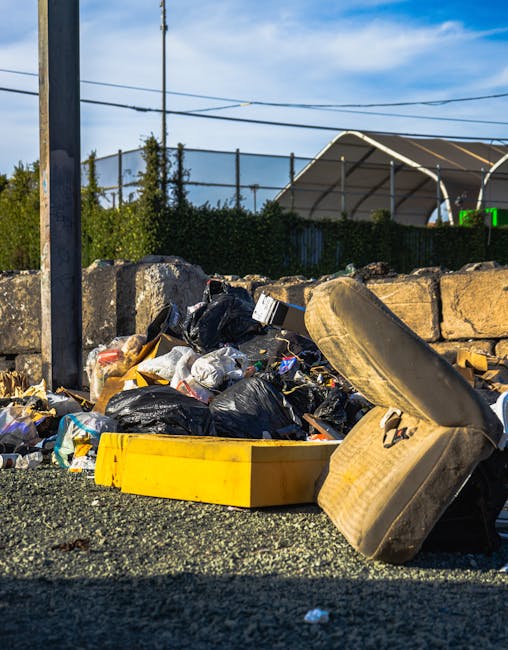
A lot of premises get cleaned out, then the storage system is left exactly as it was. A week later, the mess is back. To be fair, that part is on workflow, not the waste team.
Tools, Resources and Recommendations
You do not need a complicated toolkit to manage commercial rubbish well, but a few simple habits make the whole thing easier.
- Basic inventory list: A short written list of what is going and what is staying.
- Phone photos: Useful for quoting and for remembering what was where.
- Labels or tape: Handy for marking items that should not be taken.
- Measuring tape: Helps when bulky items need describing in a quote request.
- Designated staging area: A temporary spot where waste can be gathered neatly before collection.
If your business produces waste regularly, a simple internal routine can make a big difference. Many teams find it helps to have one person responsible for flagging bulky items, one place where waste is stored temporarily, and a weekly tidy-down before the mess starts spreading. Small system, big difference.
For a useful overview of broader services, many businesses start by reviewing the full services overview so they can see how commercial waste fits alongside other clearance needs. If your job involves a fit-out, strip-out, or refurbishment, the builders waste removal in Brent page is also relevant because trade debris often needs a different approach from everyday rubbish.
If sustainability is part of your decision-making, it is worth looking at the company's recycling and sustainability approach. You should not need a lecture, just a clear explanation of what happens to the waste after collection. Plain answers matter here.
For businesses comparing prices and booking structure, the pricing and quotes information can be helpful before you commit. Nobody likes a surprise invoice. Not in the office, not anywhere.
Law, Compliance, Standards, or Best Practice
Commercial waste in the UK has to be handled carefully, and businesses have responsibilities around how waste is stored, transferred, and disposed of. The exact obligations can vary depending on the type of waste and the nature of the premises, so it is always wise to work with a provider that treats compliance seriously rather than casually.
As a business owner or manager, a few best-practice points are worth keeping in mind:
- Use a licensed waste carrier: Always check that the business collecting your waste is properly authorised to do so.
- Keep records where appropriate: In many cases, businesses should retain paperwork or transfer notes linked to waste handling.
- Separate hazardous or specialist items: Items such as certain electrical waste, chemicals, or confidential material may need extra care.
- Do not assume domestic rules apply: Commercial waste is different and usually needs a more formal approach.
- Ask clear questions: How is waste sorted? Where does it go? What happens to recyclable material?
For a more detailed look at how the company approaches duty of care, licensing, and related obligations, see the waste carrier licence and compliance page. If your business also wants reassurance around operational standards and site safety, the insurance and safety information is worth checking too.
One practical note: compliance is not just about avoiding trouble. It is about making sure the people doing the work know what they are handling and are not cutting corners. That is the bit that matters most on the ground.
Options, Methods, and Comparison Table
Not every business needs the same type of rubbish removal. The right option depends on volume, frequency, waste type, budget, and how much disruption you can tolerate. Here is a simple comparison to help.
| Method | Best for | Pros | Limitations |
|---|---|---|---|
| One-off commercial clearance | End-of-lease, deep clean, move-out, refit | Fast, simple, good for bulky mixed waste | May not suit ongoing waste generation |
| Regular scheduled removal | Busy offices, shops, hospitality, workshops | Predictable, keeps premises clear | Needs ongoing coordination |
| Bulky item removal | Furniture, equipment, fixtures, old stock | Ideal for awkward items | Not always the cheapest choice for small loads |
| Trade or builders waste removal | Refurbishments, construction, strip-outs | Handles heavier and messier debris | Often needs careful sorting and access planning |
If you are in Wembley or NW10 and your site has a lot of mixed material, the practical question is not "which option sounds best?" but "which option will clear the problem with the least disruption?". That is usually the one worth choosing. Simple as that.
Case Study or Real-World Example
Picture a small office unit in NW10 after a partial move. There are old desks in one corner, cardboard from fresh deliveries stacked near a doorway, a dead printer that nobody claims, and a few office chairs that have clearly had a long career. Nothing dramatic. Just enough clutter to make the place feel cramped and untidy.
The manager first assumes it is "only a few things", but once the items are grouped, it becomes obvious there is more volume than expected. Access is slightly awkward because the loading point is shared and trading continues during the day. So the clear-out is booked for an early morning slot, with the waste sorted into practical categories before the team arrives.
The result is not just a cleaner room. The room becomes usable again. Files can be stored properly. Staff can move around safely. The space looks like a business premise rather than a temporary dumping ground. That sort of turnaround is pretty common, and honestly, it is often the point where people realise they should have booked the job sooner.
It is a small example, but a real one in spirit: commercial rubbish removal works best when it restores function, not just emptiness.
Practical Checklist
Use this checklist before arranging commercial rubbish removal for Brent businesses Wembley and NW10.
- List everything that needs removing.
- Separate bulky, general, recyclable, and specialist items.
- Estimate the size of the load as accurately as you can.
- Check access points, parking, and any time restrictions.
- Decide whether the job is one-off or recurring.
- Flag anything sensitive, heavy, or awkward.
- Ask how waste will be sorted and handled.
- Confirm the collection time and any site instructions.
- Prepare the area so the team can work safely and quickly.
- Review the site afterwards to make sure everything agreed has been removed.
Quick summary: the better you prepare, the smoother the job goes. That is true for tiny clearances and larger business removals alike. A little organisation before collection can save a lot of time, noise, and back-and-forth later.
Conclusion
Commercial rubbish removal for Brent businesses Wembley and NW10 is really about keeping a business moving. Cleaner space, less stress, safer access, better presentation, and less time spent managing something that should be handled properly in the first place. When the service is planned well, it becomes one of those jobs you barely notice because everything just works.
If you are comparing options, keep your focus on clarity, compliance, access, and how the provider handles different waste types. That is where the value sits. Not in fancy promises, just in a job done properly, at the right time, without unnecessary fuss.
Get a free quote today and see how much you can save.
And if today's the day the clutter finally gets dealt with, that is a good day to start. One clear space can change the feel of the whole place.


